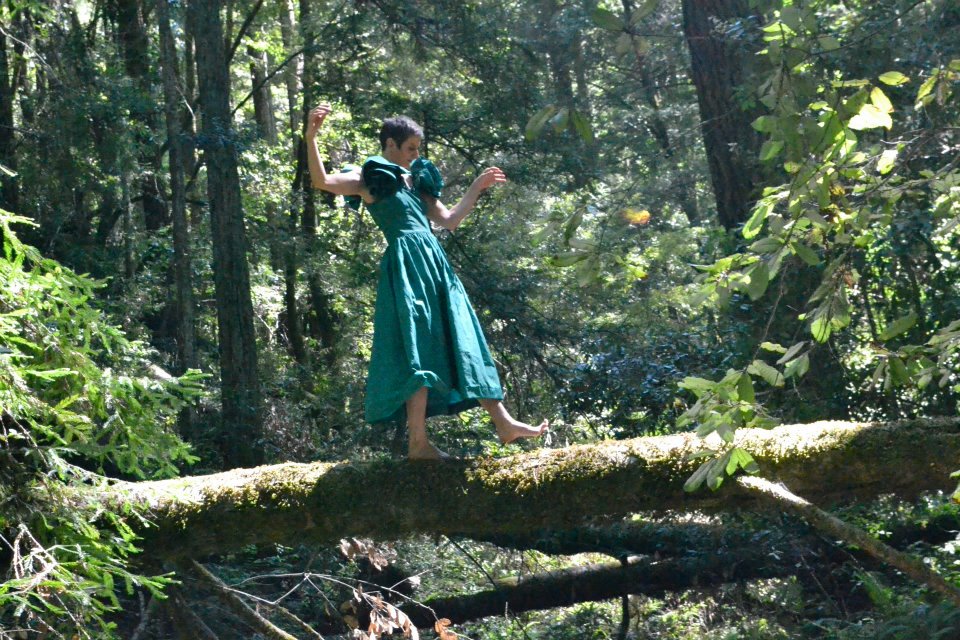
If you’re tired of seeing contemporary dance performed only on black-box stages, 2026 has a refreshing “particular” trend for you: Eco-Somatics.
This isn’t just “dancing outside.” It’s a movement philosophy where the environment isn’t a backdrop—it’s a partner. As we navigate a tech-heavy world, the dance community is pushing back by reconnecting with the raw, biological rhythms of the planet
What is Eco-Somatic Dance?
It’s the intersection of ecology (the study of environments) and somatics (the internal experience of the body). In 2026, this looks like:
- Site-Specific Immersion: Performances held in “wounded” landscapes—like dried riverbeds or recovering forest fire zones—to highlight climate fragility.
- Bio-Rhythmic Choreography: Dancers using the pace of natural phenomena (tides, wind patterns, or even the slow growth of fungi) to dictate their movement speed and effort.
- Sensory Reciprocity: Moving away from “performing for an audience” and moving with the elements, often using bare feet and skin contact with soil to ground the nervous system.
Why It’s Trending Now
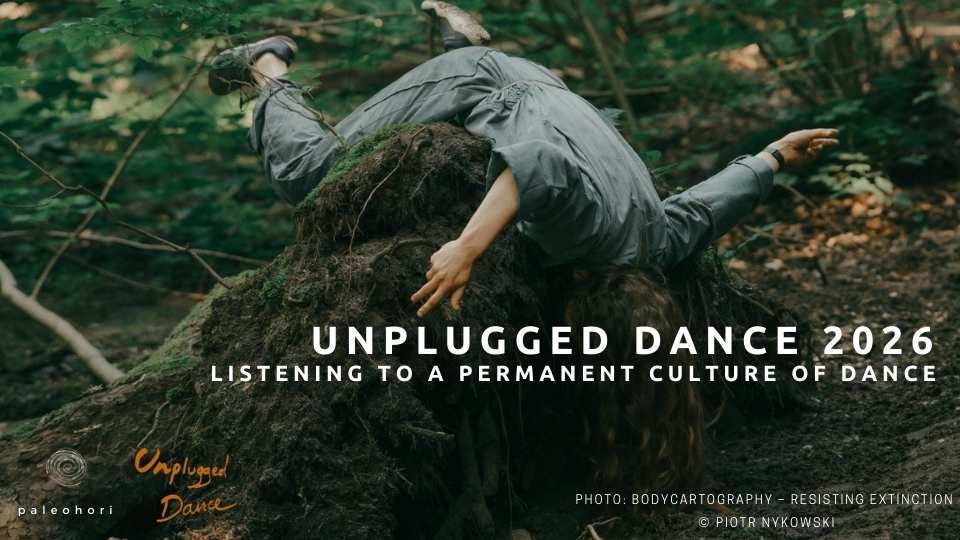
After years of digital saturation and VR dance, the 2026 trend is a “return to the dirt.” Festivals like Unplugged Dance 2026 in Greece are leading the charge, offering “Rewilding Play” and “Body as Roots” workshops that treat the human body as an extension of the ecosystem rather than a machine.
A Particular Piece to Watch
Look for works by companies like Bodycartography or Kidd Pivot’s latest environmental explorations. They aren’t just showing you “pretty” nature; they are showing the grit, the decay, and the resilience of the earth through the human spine.
In 2026, the most “modern” thing you can do as a dancer is stop trying to be a machine and start trying to be a tree.


Leave a Reply