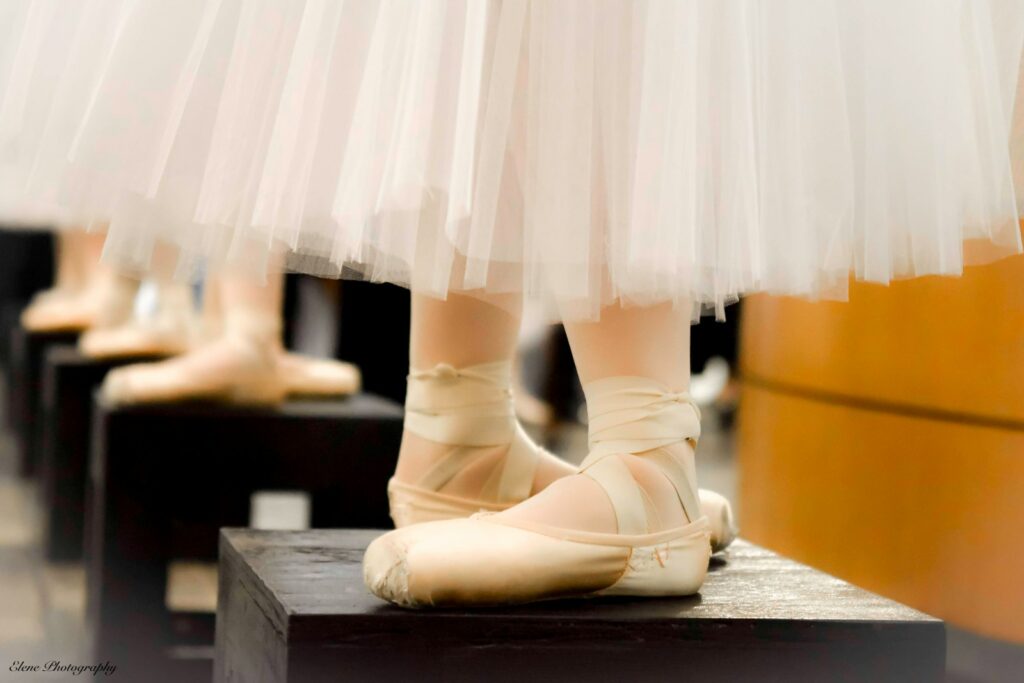
When most people think of ballet, they imagine pink tutus and satin pointe shoes. But beneath the ethereal grace on stage lies a world of incredible athletic precision, centuries of history, and a language all its own.
Whether you’re a new student or an appreciative fan, understanding the “why” behind the movement makes every performance more captivating.
The Foundation of Technique
Everything in ballet starts with the five basic positions of the feet. Established in the 17th century, these positions are the building blocks for every jump, turn, and pose you see on stage.
Turnout
Unlike most sports, ballet requires rotating the legs outward from the hip. This allows for the extreme lateral range of motion necessary for those soaring leaps.
The Barre
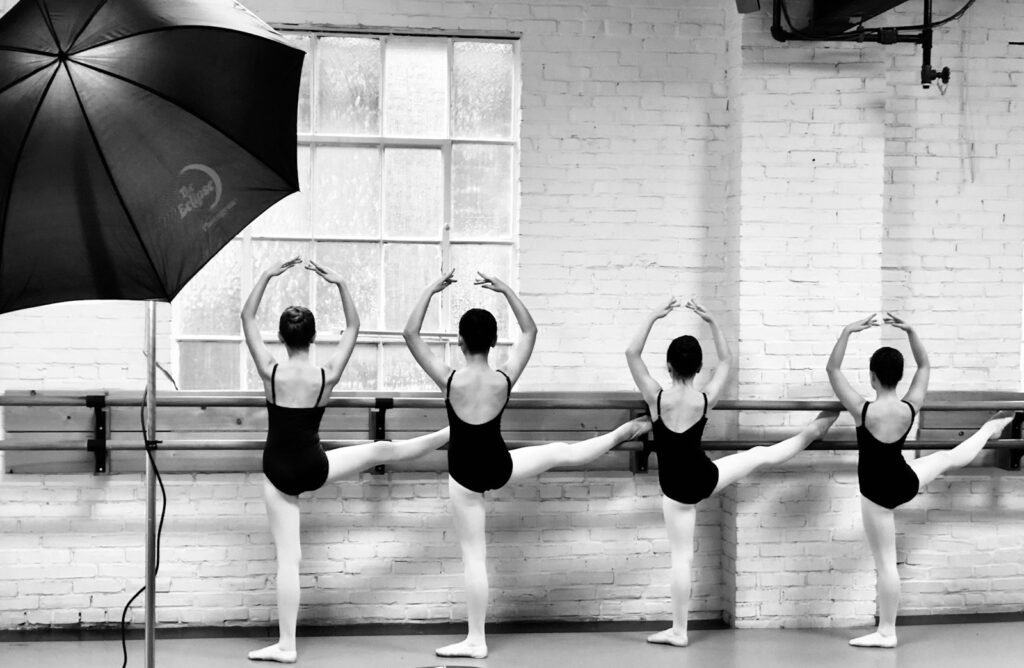
Every professional dancer starts their day here. It’s not just a warmup; it’s where they find their balance and refine their alignment before moving to the center of the room.
Why We Still Love the Classics
While modern dance is constantly evolving, “Story Ballets” like Swan Lake and The Nutcracker remain timeless. Why? Because they use pantomime—specific hand gestures—to tell complex stories of love, betrayal, and magic without uttering a single word.
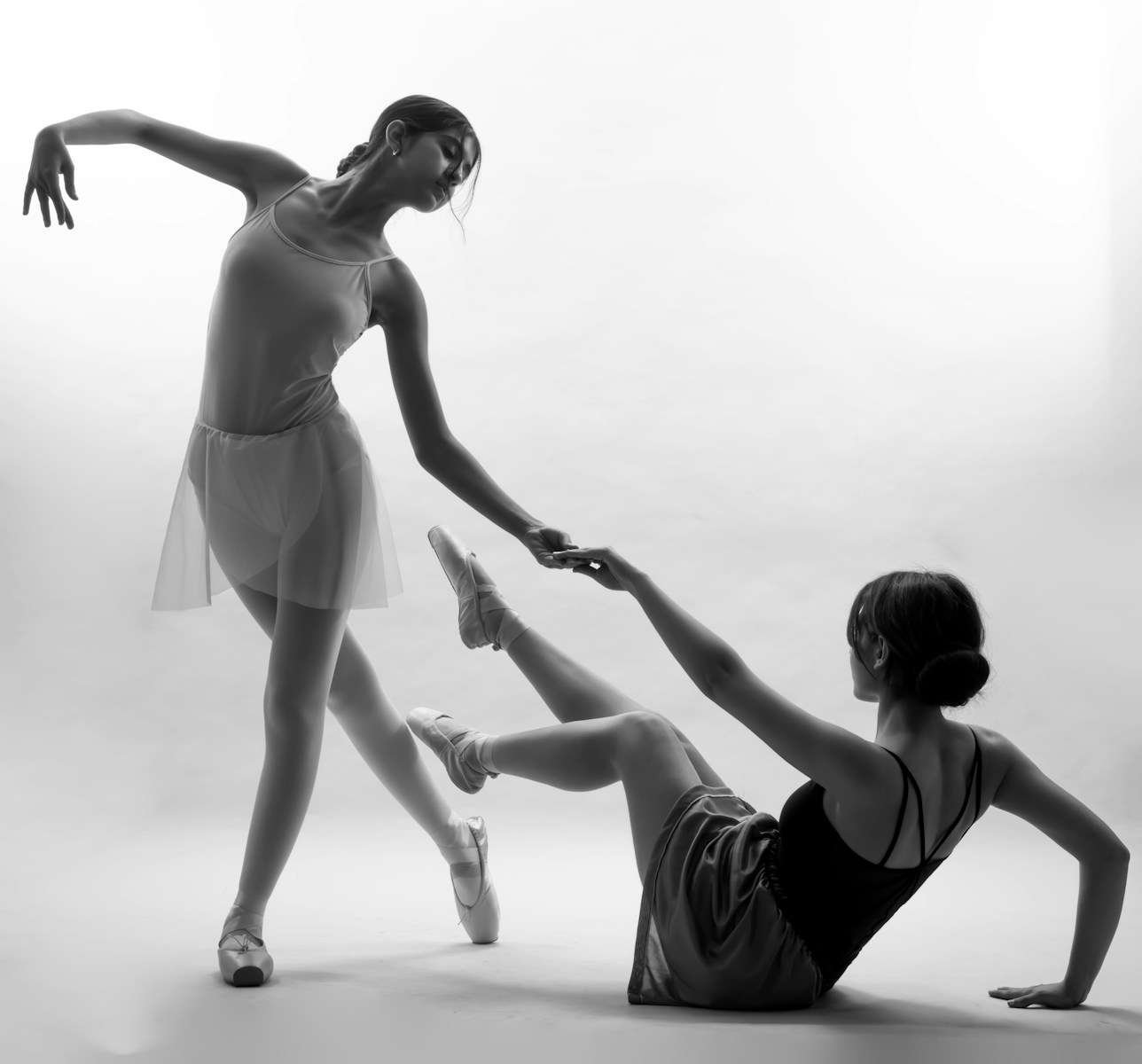
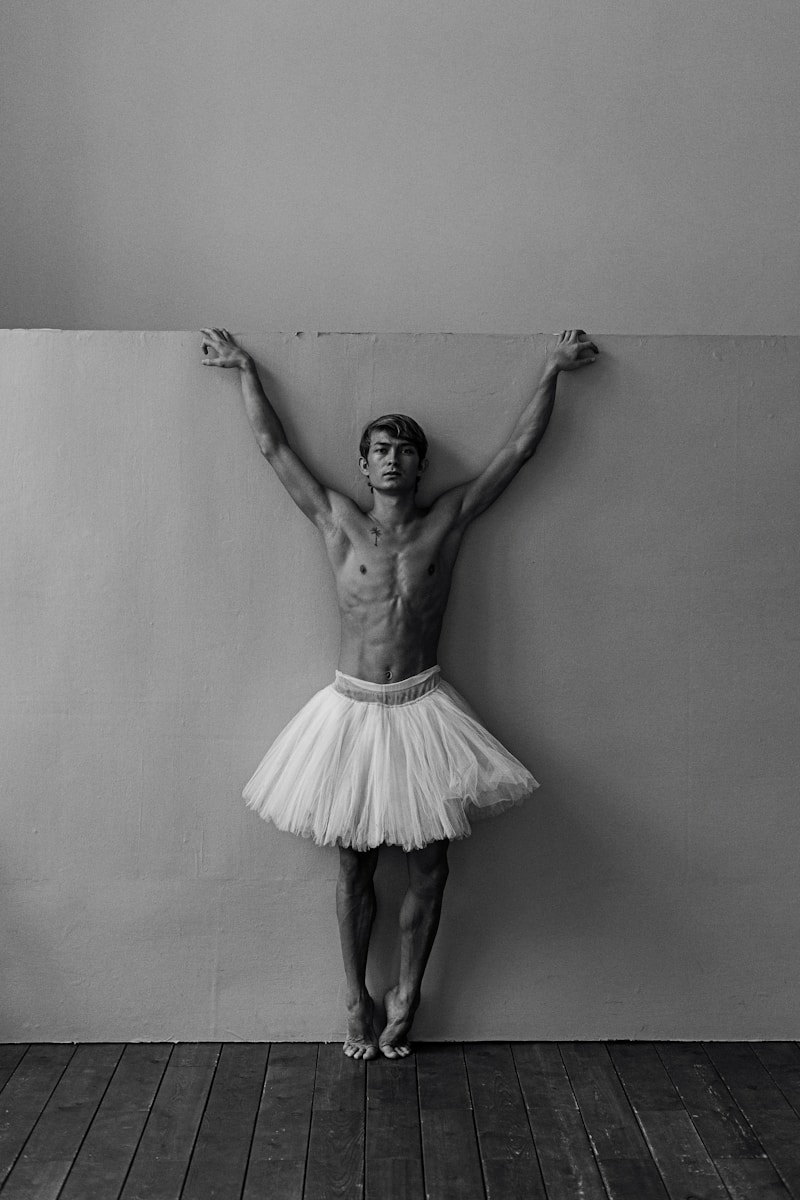
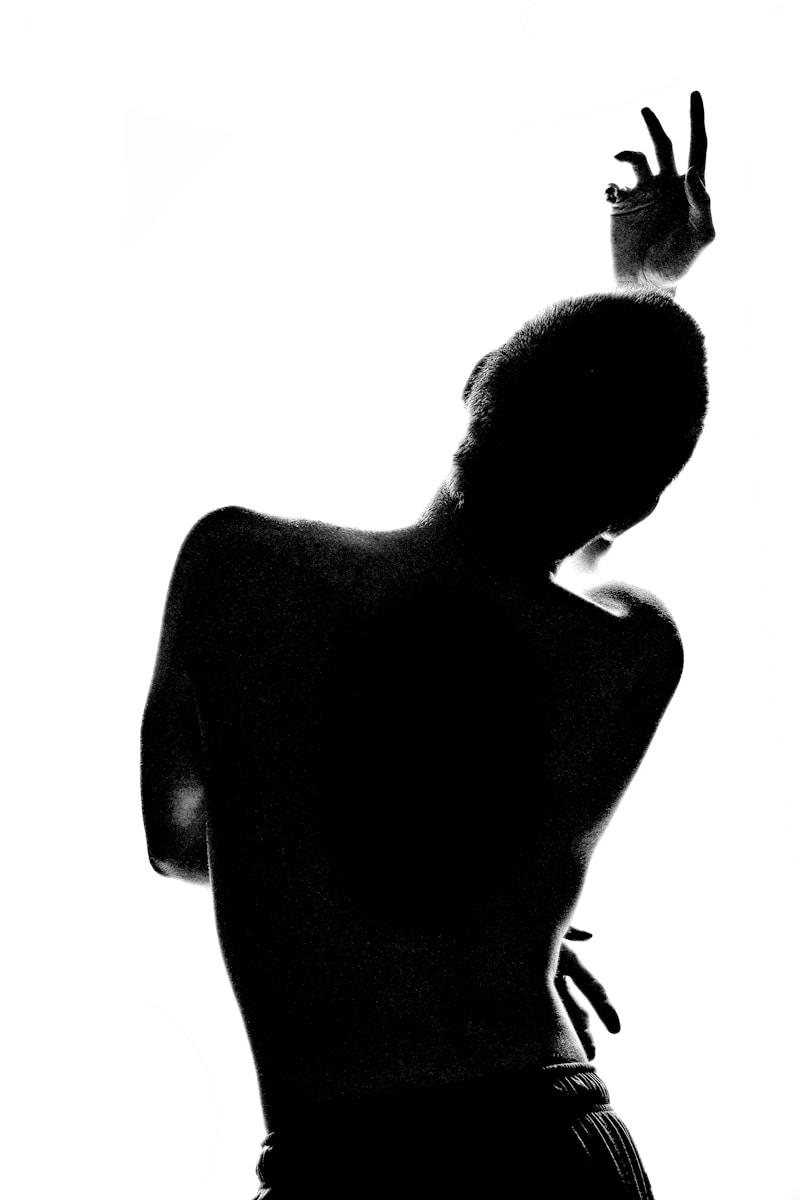
Dance means Expression
What to Look For in Your First Class
If you’re stepping into the studio for the first time, don’t worry about the “perfect” physique. Ballet is about:
- Alignment: Keeping your spine long and your core engaged.
- Musicality: Learning to move with the breath of the music, not just on the beat.
- Discipline: It takes patience, but the feeling of nailing your first clean pirouette is unmatched.
Fun Fact: Did you know that a male ballet dancer lifts an average of 1–1.5 tons of “ballerina” during a single performance? It’s arguably one of the most physically demanding roles in the world of sports and art.
Explore our blog below to discover the latest trends about different DANCE STYLES!
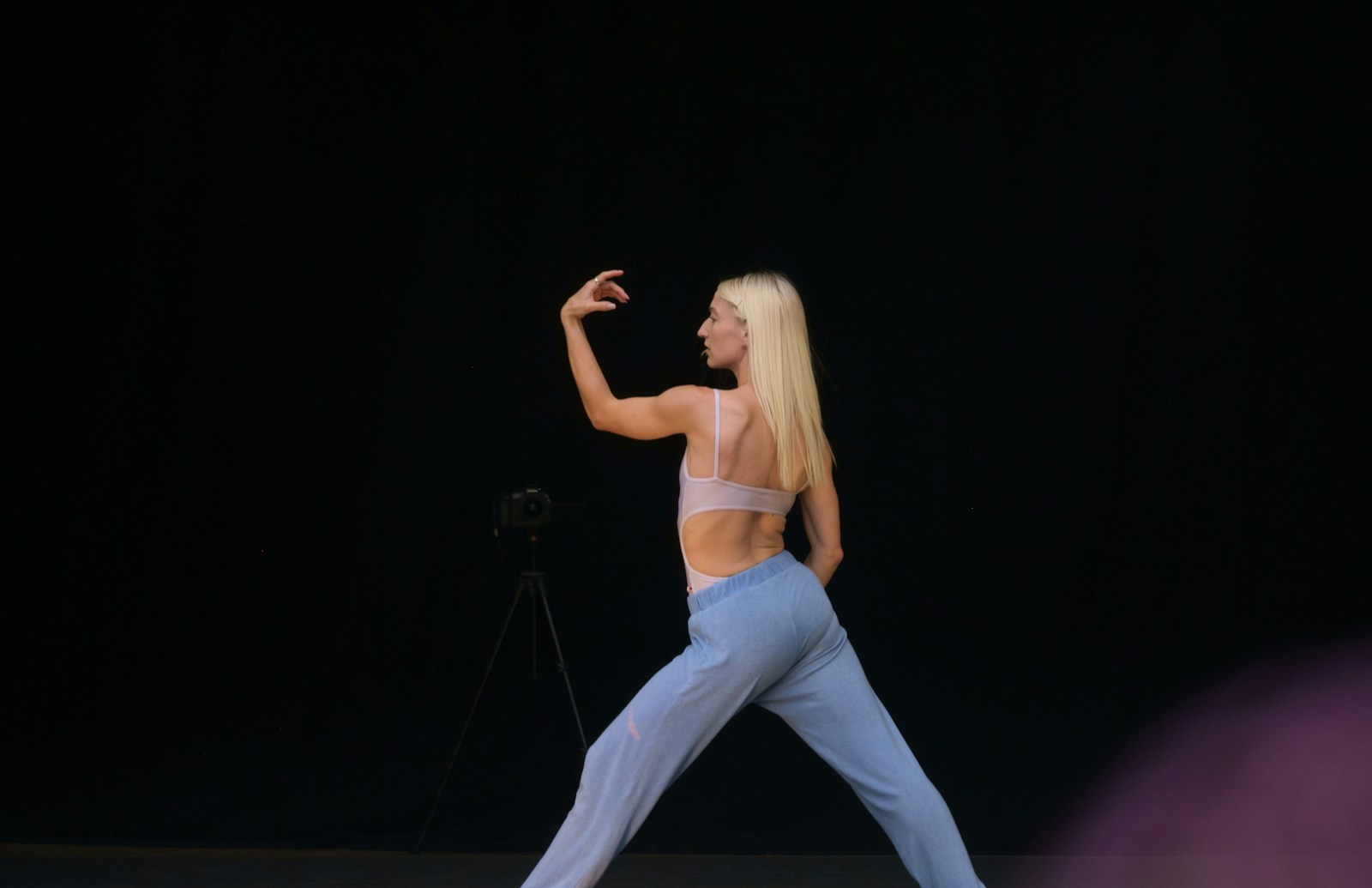
If Contemporary dance is a soulful conversation, Modern Jazz is a powerful exclamation. It is the art of the “cool,” the sharp, and the unapologetic. In 2026, Jazz has evolved beyond the Broadway stage to become a tool for radical self-expression and emotional empowerment. The Philosophy of the Pulse Modern Jazz is built on Isolations—the […]
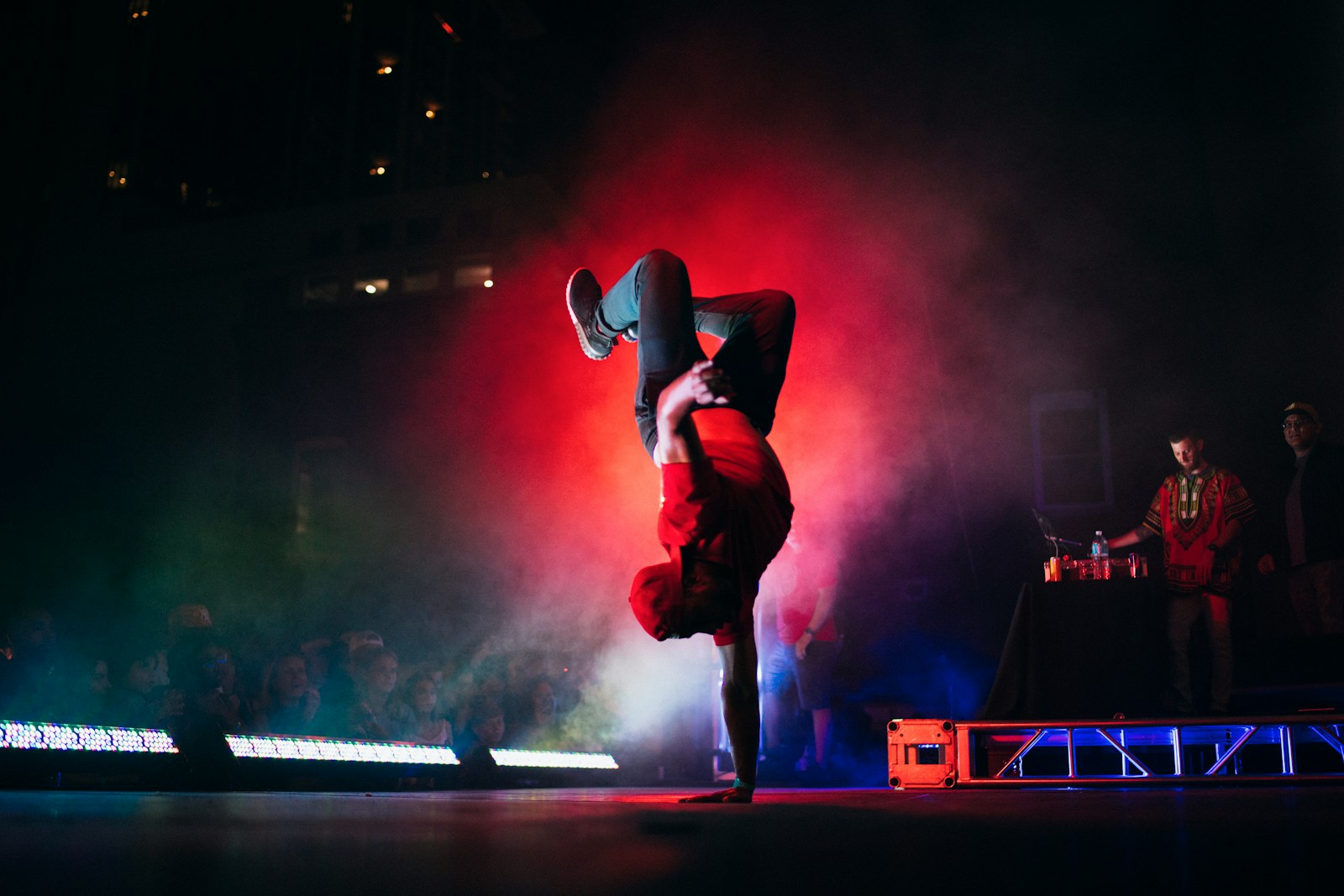
In 2026, Hip Hop and Urban Dance have moved from the stage to the streets—literally. The biggest trend this year is Architectural Urbanism, where dancers use the city’s concrete, steel, and glass as physical partners. The 2026 Vibe: “Glitch-Hustle” This style is all about the stutter. Inspired by digital errors and AI processing, dancers use […]
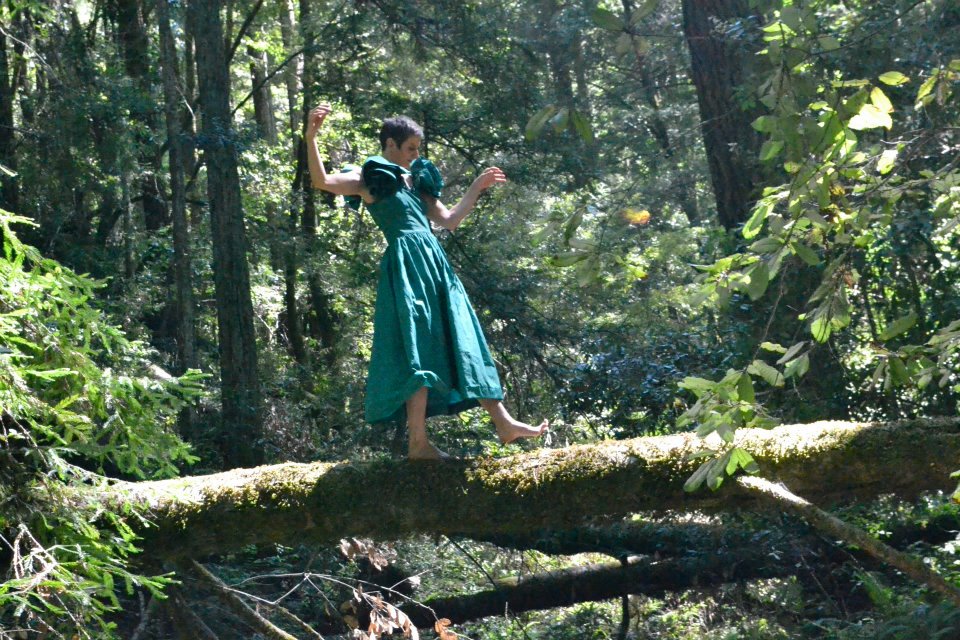
If you’re tired of seeing contemporary dance performed only on black-box stages, 2026 has a refreshing “particular” trend for you: Eco-Somatics. This isn’t just “dancing outside.” It’s a movement philosophy where the environment isn’t a backdrop—it’s a partner. As we navigate a tech-heavy world, the dance community is pushing back by reconnecting with the raw, […]
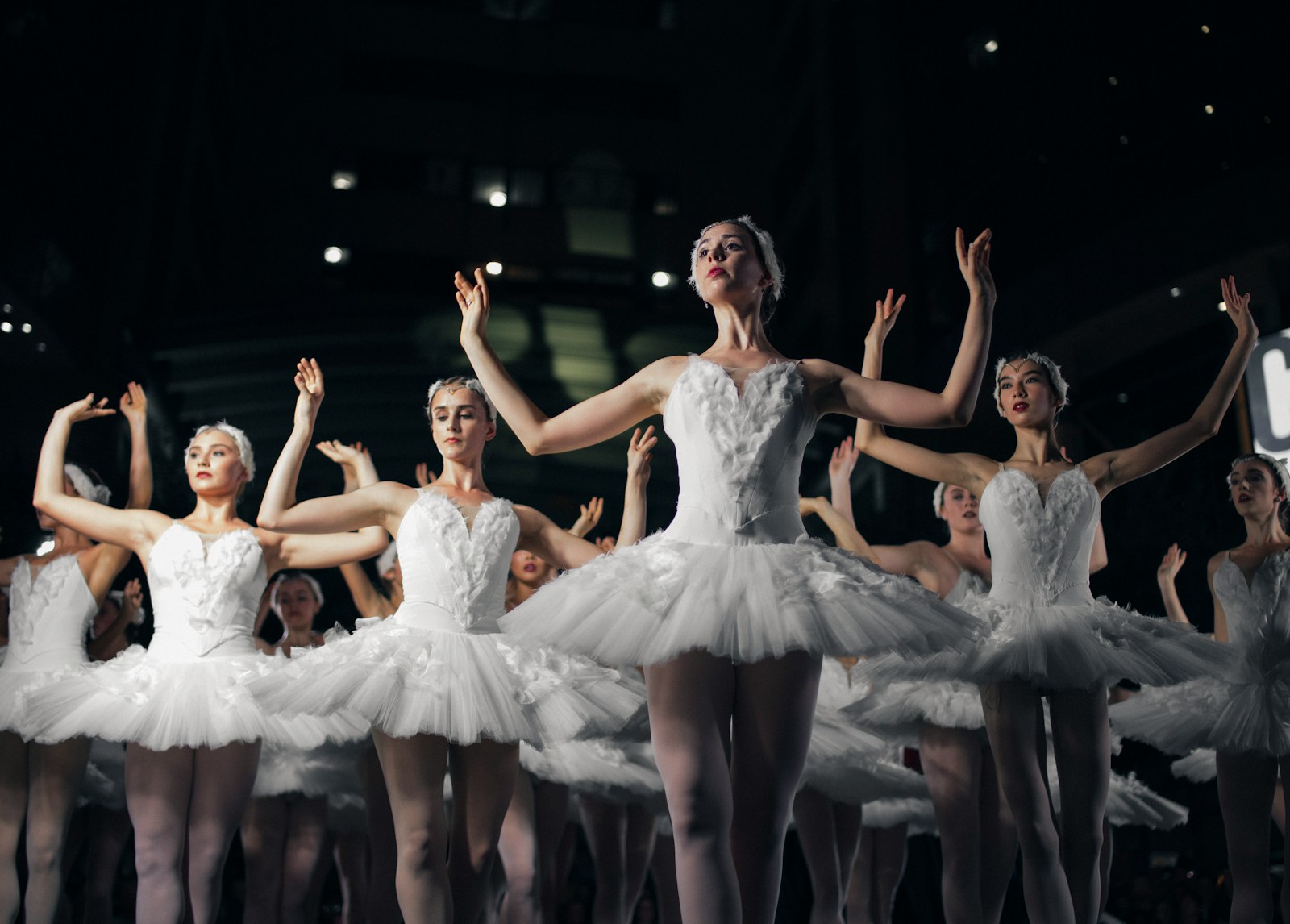
When most people think of ballet, they imagine pink tutus and satin pointe shoes. But beneath the ethereal grace on stage lies a world of incredible athletic precision, centuries of history, and a language all its own. Whether you’re a new student or an appreciative fan, understanding the “why” behind the movement makes every performance […]


Leave a Reply