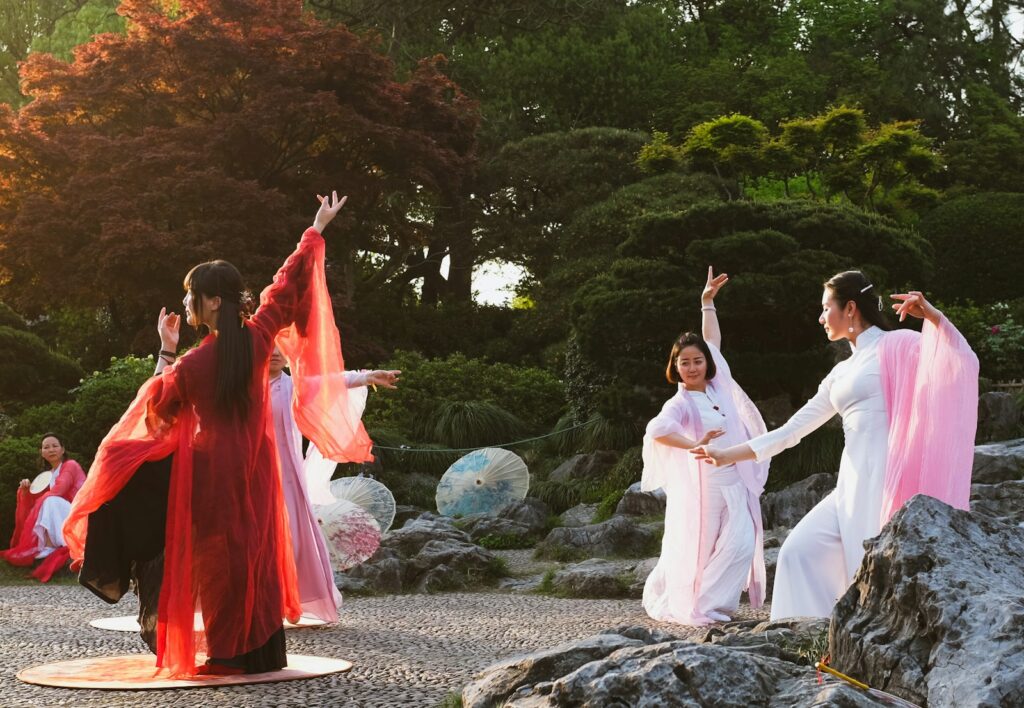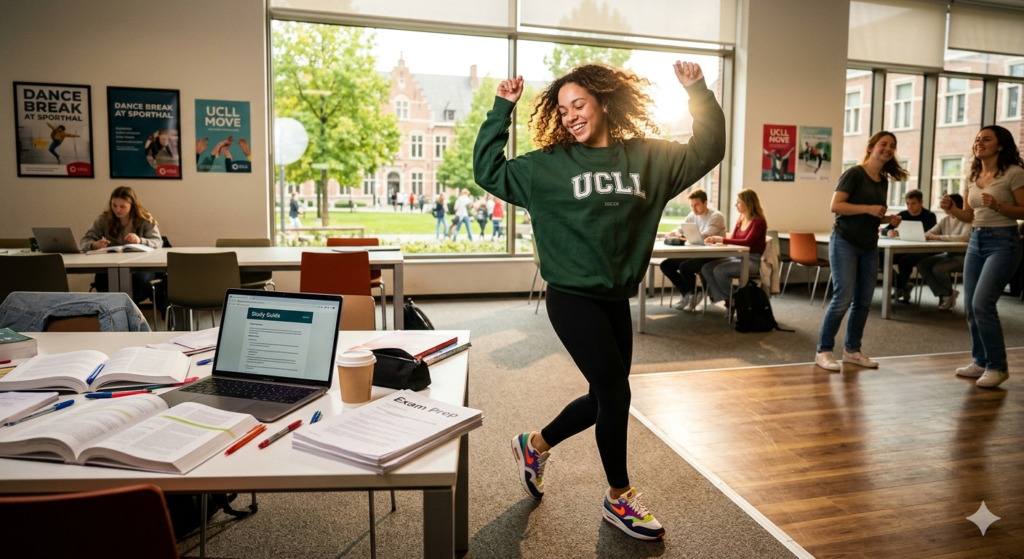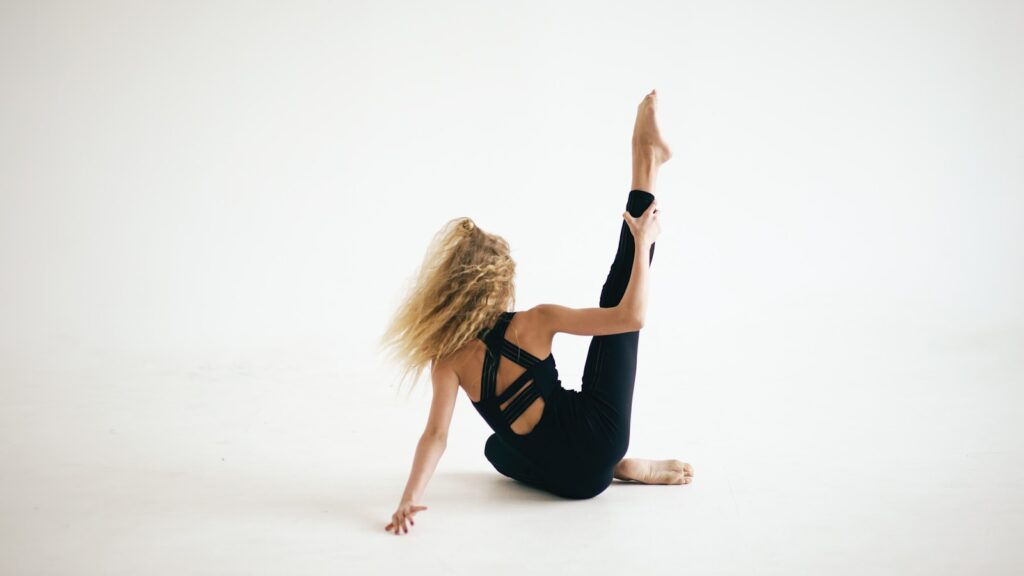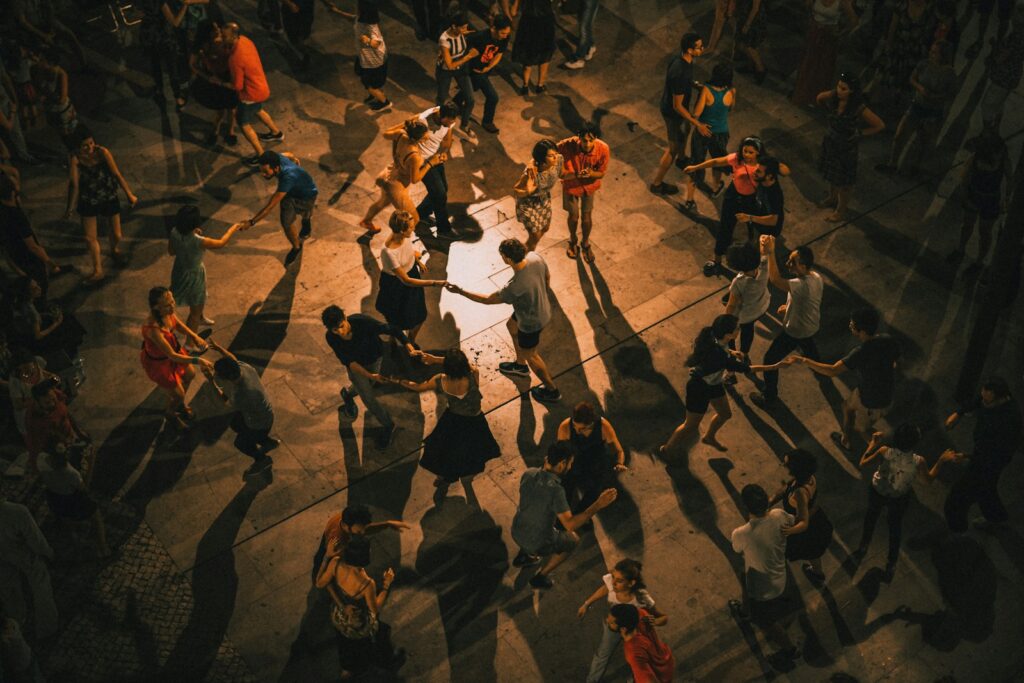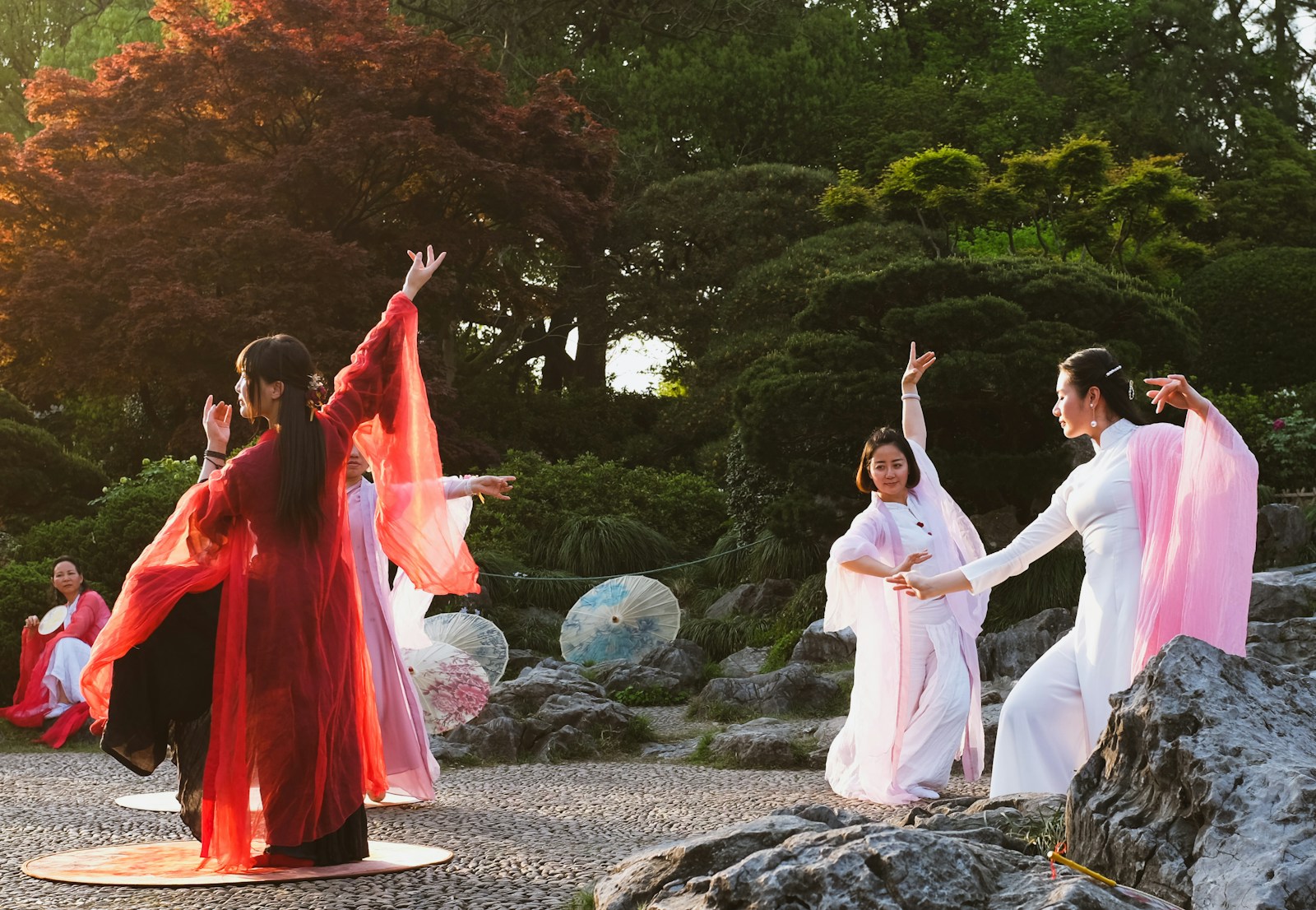
Have you ever wondered why your foot starts tapping to a beat without you even thinking about it? Whether you’re a pro or a “closet dancer,” the urge to move is hardwired into your DNA. Humans weren’t just made to dance; we were born because we danced.
The Survival of the Grooviest
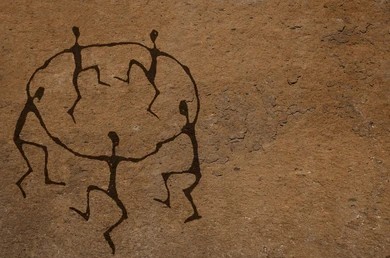
Long before we had spoken language, we had movement. For our early ancestors, dancing wasn’t just a hobby—it was a survival tool. Synchronized movement released endorphins and oxytocin, creating a “social glue” that bonded tribes together. In the harsh prehistoric world, the groups that could move in time were the ones that could work together to survive.
Hardwired for the Beat
Unlike most animals, the human brain has a direct “hotline” between the parts that hear sound and the parts that control movement. This is why you feel a bassline in your chest. When we dance, our brain’s reward centers light up, providing a natural high that reduces stress and improves mental clarity.
The Evolution of Dance
A journey through rhythm, ritual, and revolution.
Ritual & Origin
Dance begins as a primal form of communication and religious ritual. Cave paintings in India and Egypt depict early communal movements used for storytelling and honoring the gods.
Renaissance Court Dance
European courts transform folk movements into highly structured social displays. Catherine de’ Medici introduces Italian dance influences to France, planting the seeds for classical ballet.
The Romantic Era
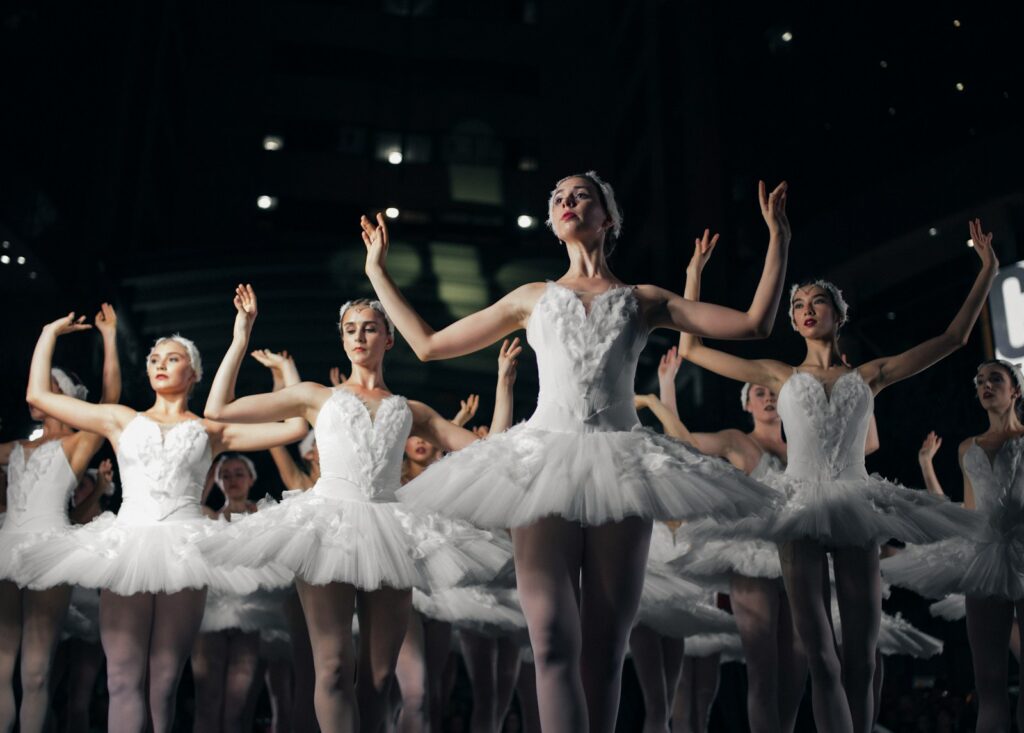
Ballet enters its golden age with the introduction of pointe shoes and tutus. Stories like ‘Giselle’ and ‘Swan Lake’ emphasize ethereal beauty, emotion, and technical mastery.
Modernism & Expression
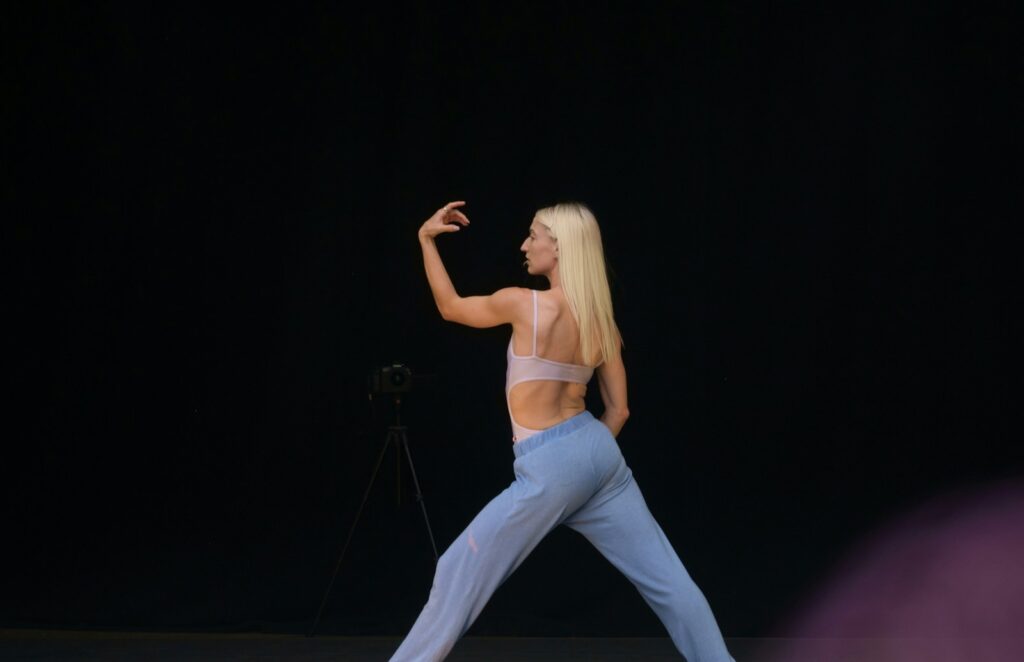
Pioneers like Isadora Duncan and Martha Graham break away from the rigidity of ballet, focusing instead on raw human emotion, gravity, and the “contraction and release” technique.
Urban & Street Culture
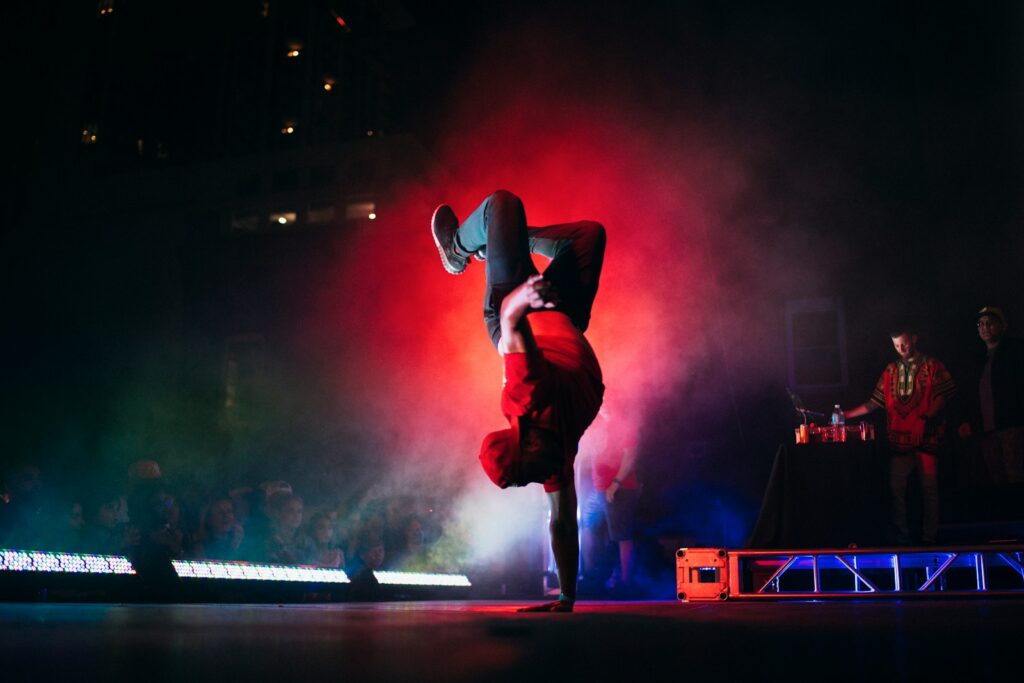
From the Bronx to the world, Hip Hop emerges as a global powerhouse. Street styles, breaking, and commercial choreography redefine dance as a tool for social identity and digital expression.
Our Shared Heritage
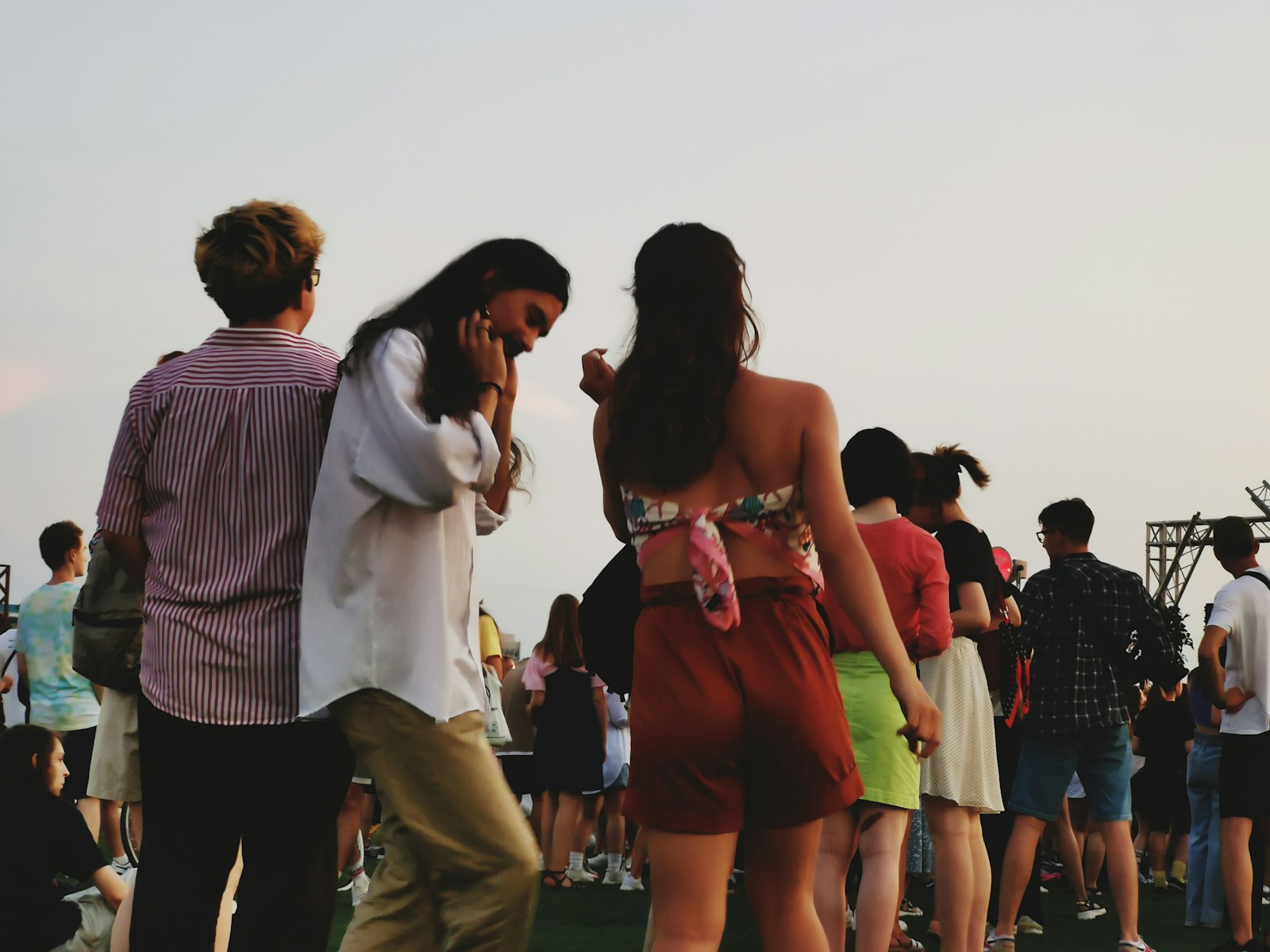
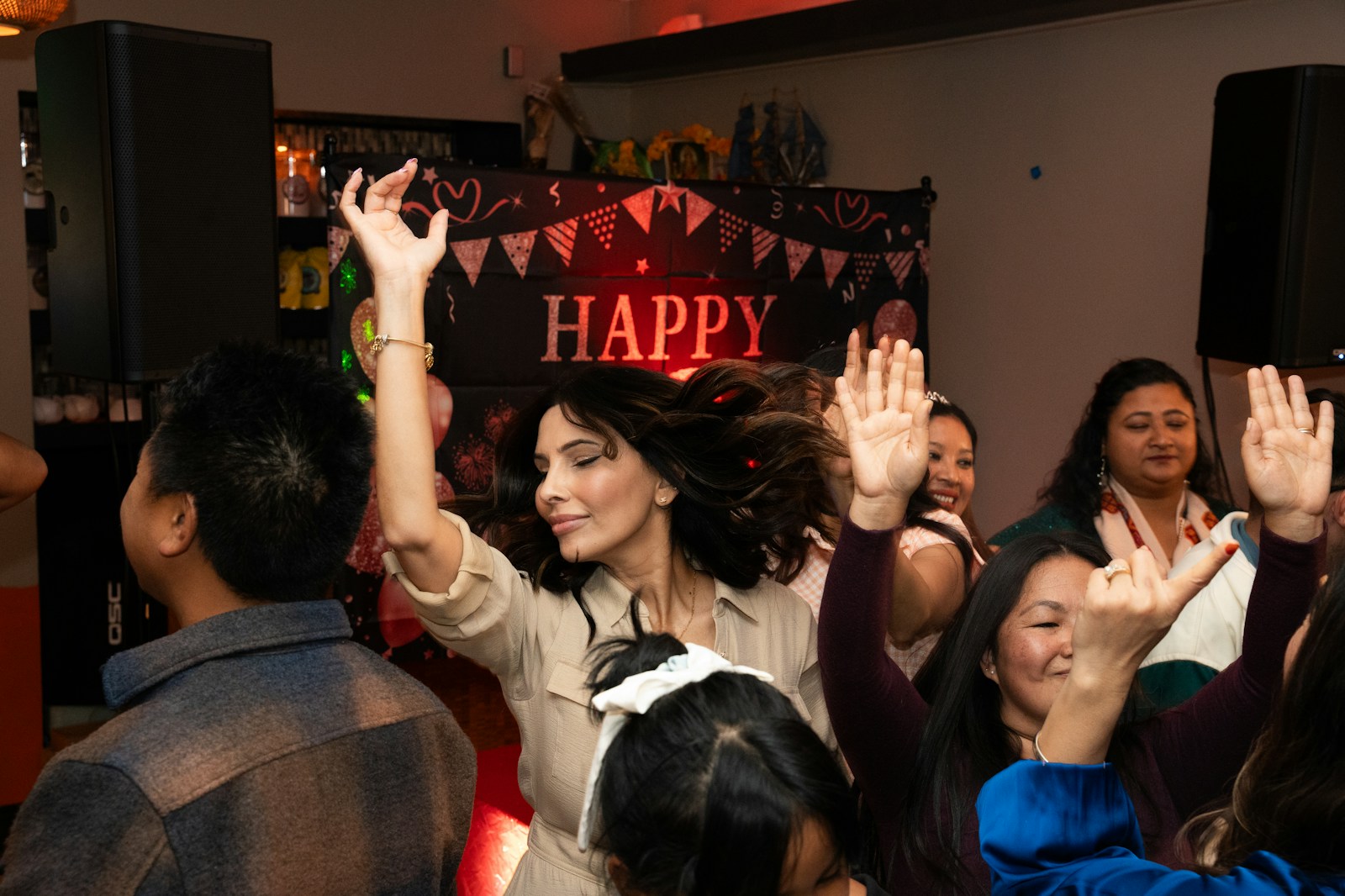
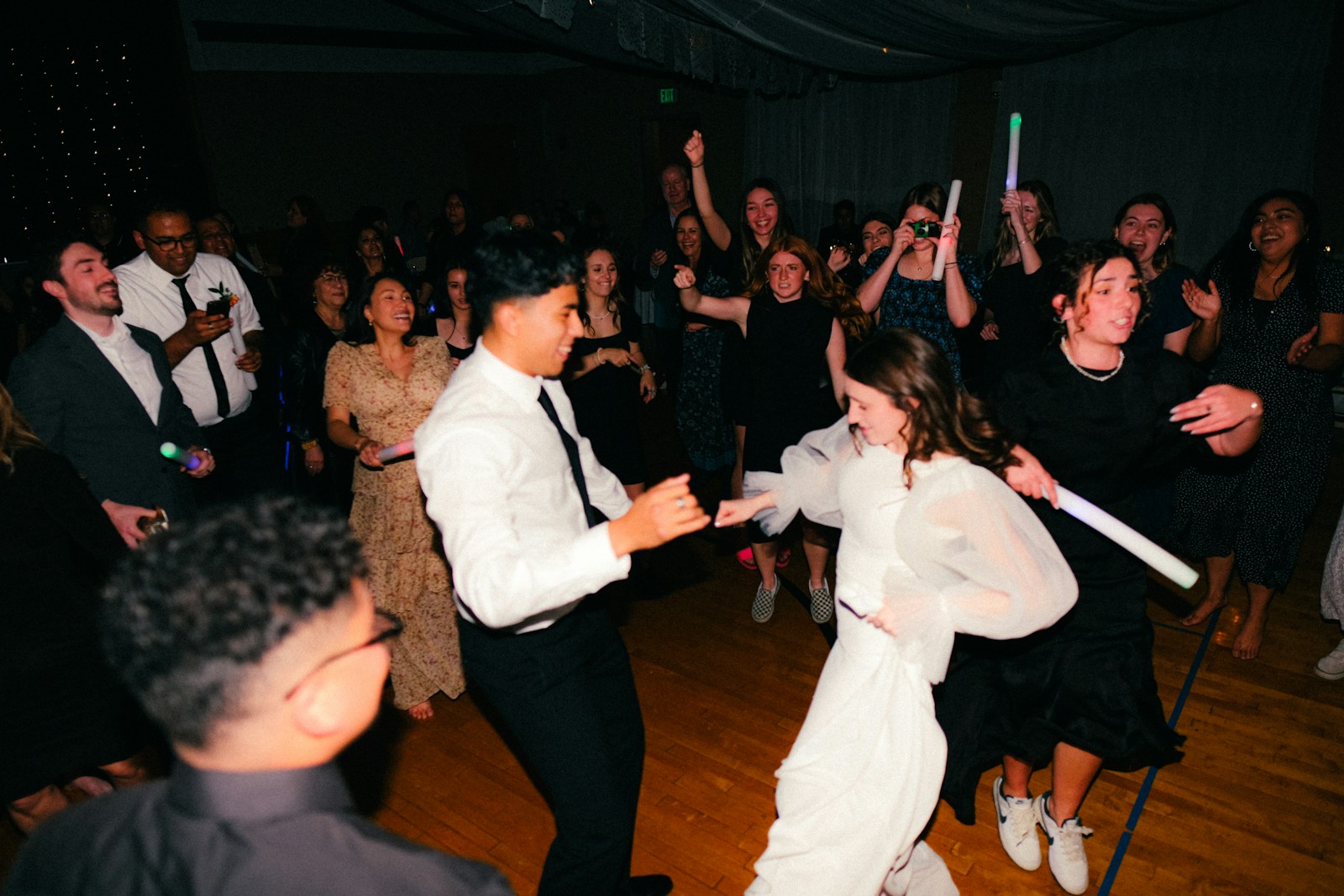
In today’s digital world, dance remains one of the few ways we can truly connect without screens. Whether it’s a wedding, a concert, or a quick desk disco, dancing reminds us of our shared history.
So, the next time you feel the urge to move, don't hold back. You aren't just having fun—you’re participating in a 10,000-year-old human tradition.
Keep reading our latest articles below to stay at the forefront of the global dance revolution!