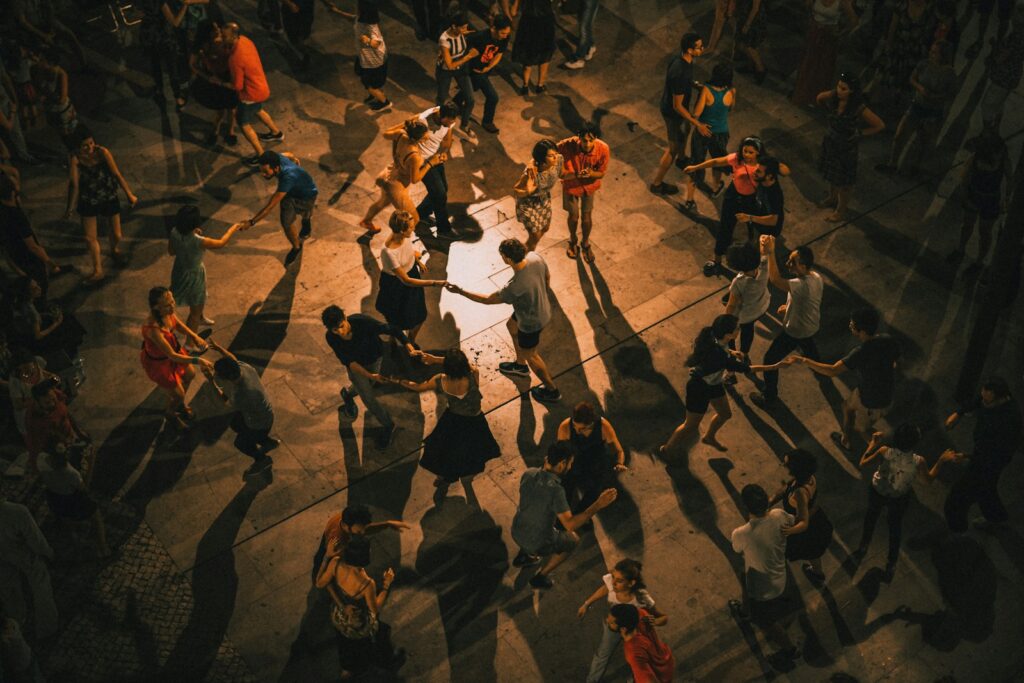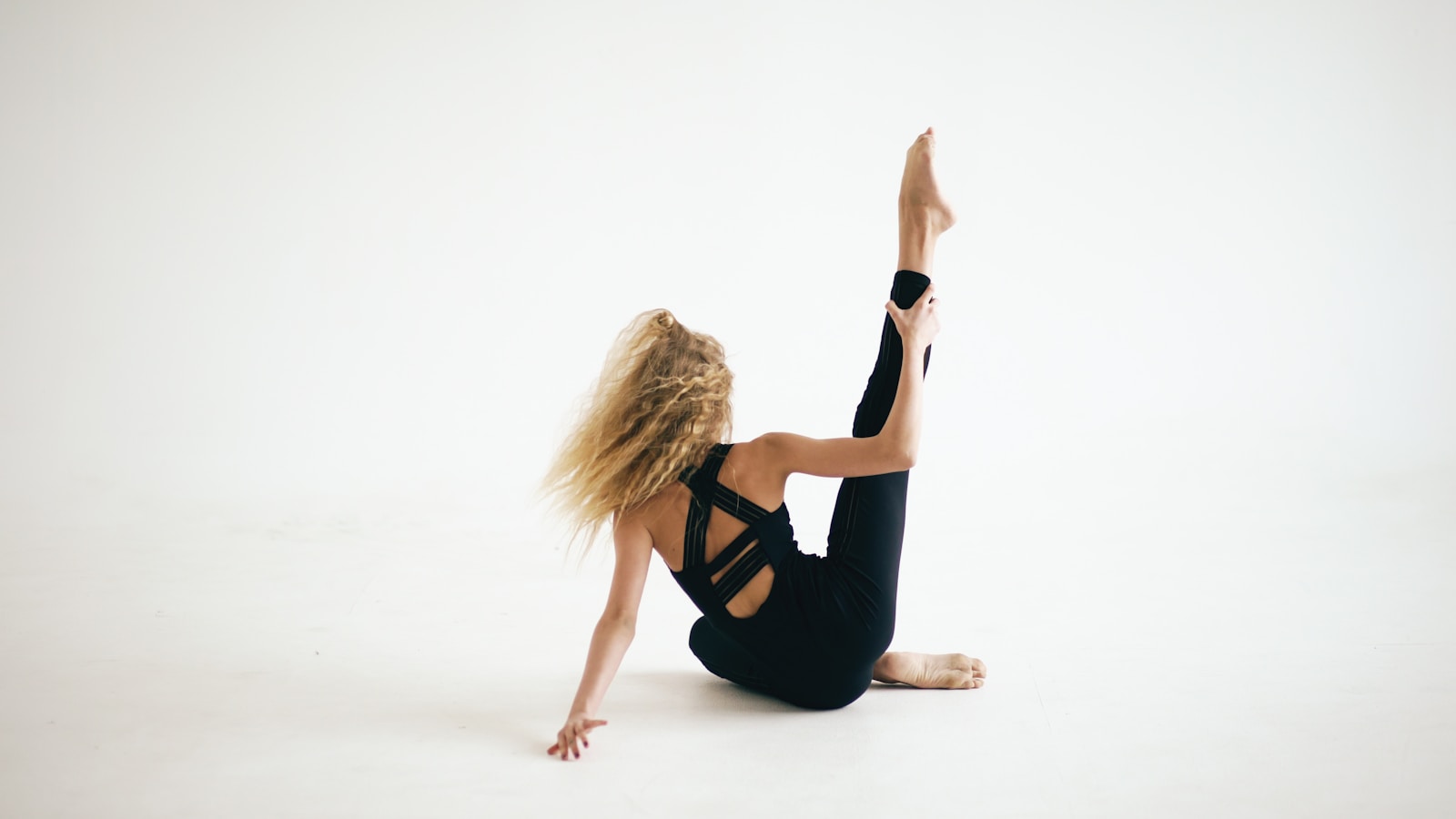
Have you ever returned to the dance studio after a long break and realized your legs remembered a choreography better than your head did? It’s not magic; it’s muscle memory.
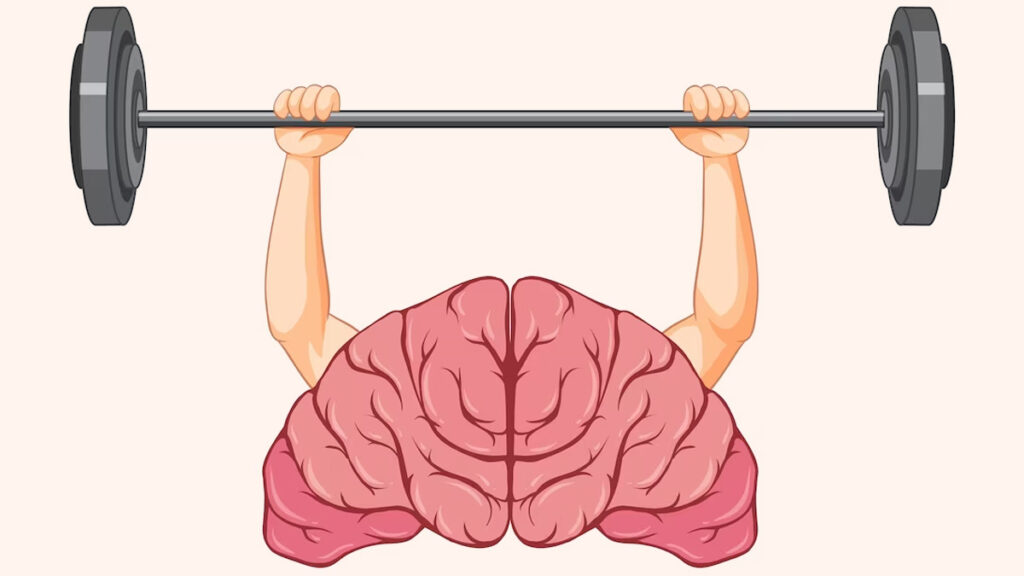
How does it work in a dancer’s brain?
When we learn a dance sequence, our brain works hard to coordinate muscles, balance, and rhythm. But with constant repetition, this information moves from the “conscious mind” to deeper motor centers.
In simple terms:
- Phase 1 (Cognitive): You think intensely about every finger, every ankle, every breath. The movement is stiff.
- Phase 2 (Associative): The body begins to connect the steps. You start to flow.
- Phase 3 (Autonomous): The magic happens! The body performs while your mind is free to interpret and express emotion.
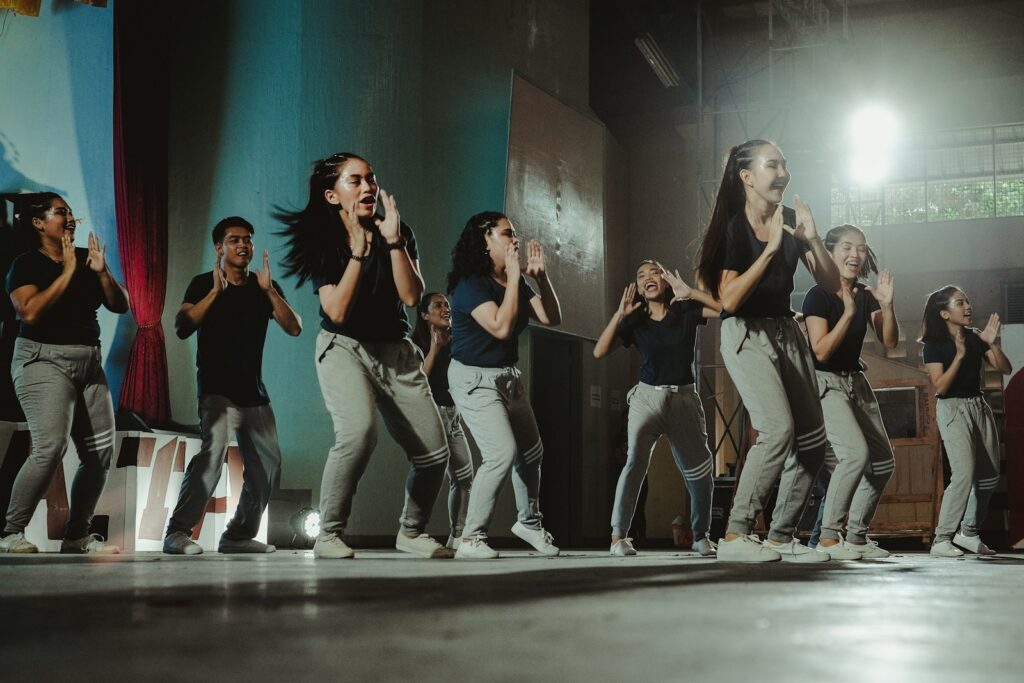
Why repetition is never boring
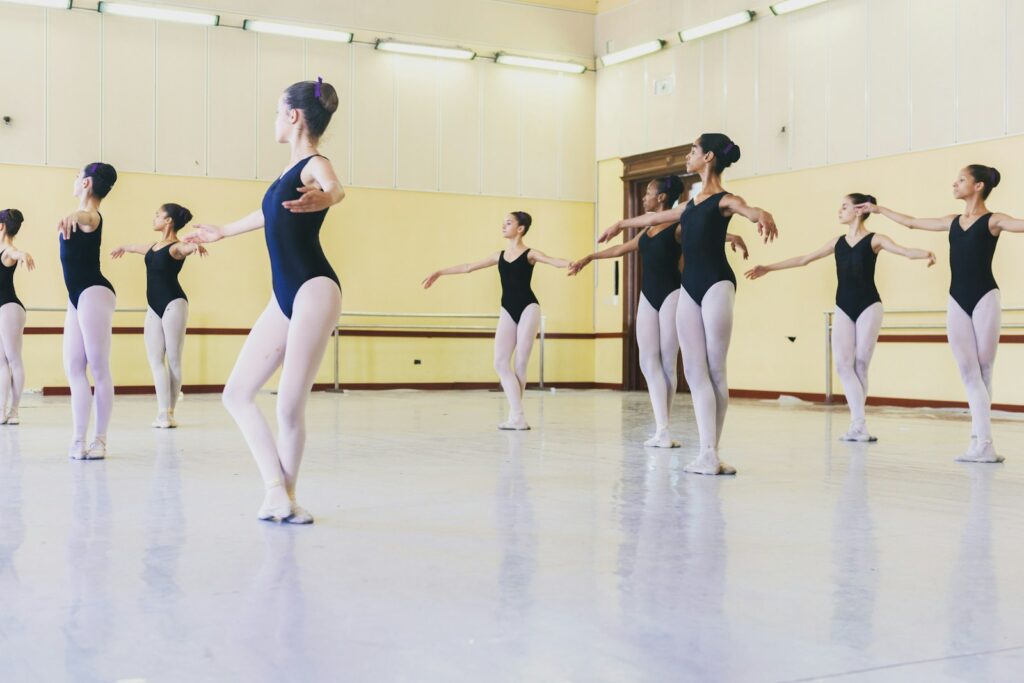
Many students ask: “Why do we have to do the same barre exercises for years?”. The answer is that muscle memory isn’t just about remembering steps; it’s about perfecting form. The more the body automates correct technique, the less likely you are to get injured.
3 Tips to train your motor memory
| SLOW DOWN | VISUALIZE | REST |
| If you can’t do a step at full speed, study it at half-tempo. The body memorizes details better when they are clear. | Close your eyes and “dance” the choreography in your head. Studies show that visualization activates the same brain areas as physical movement. | The brain consolidates movements during sleep. A good night’s rest is part of your training! |
IT’S YOUR TURN! TEST YOUR KNOWLEDGE!
Test Your Dance Science: Muscle Memory
True or False?
1. “Muscle memory” means that your actual muscle fibers store the memories of choreography.
2. Myelin is a fatty substance that builds up around nerve fibers to make dance movements faster and more automatic.
3. Practicing a movement incorrectly 100 times still helps build “good” muscle memory because you are staying active.
4. Sleep plays a critical role in consolidating motor skills and “saving” the dance steps you learned during the day.